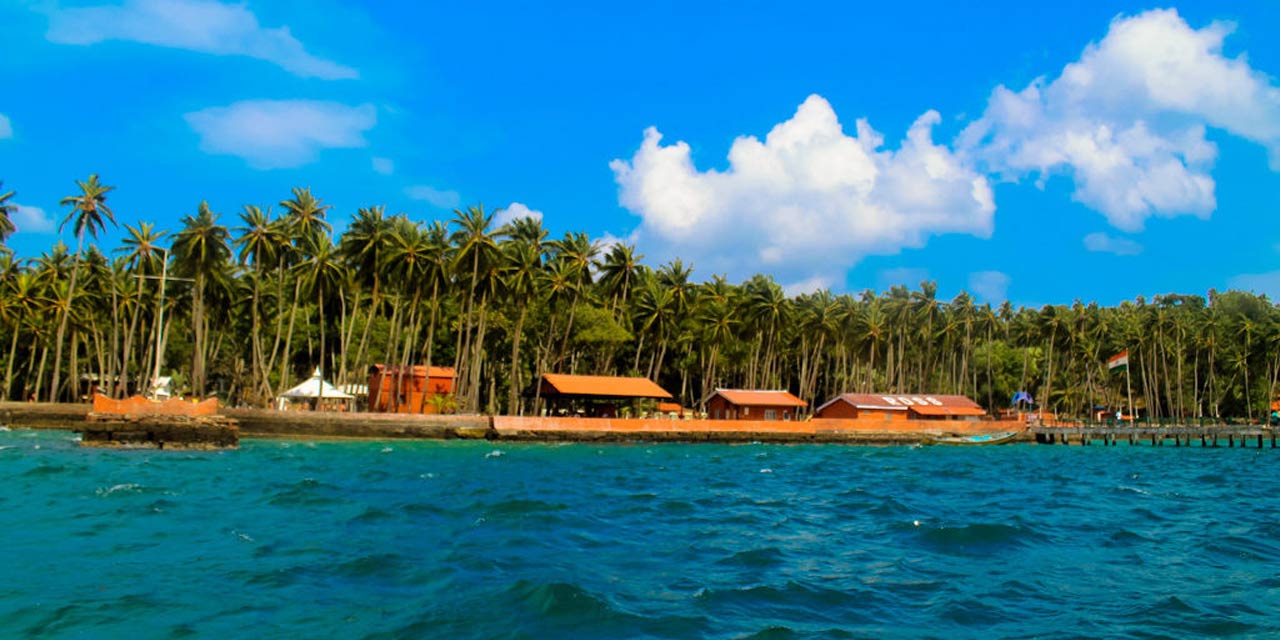
Ross Island, now politically rechristened as Netaji Subhas Chandra Bose Island, stands as a chilling monument to British colonial hubris and cruelty, far beyond mere historical ruins. Conceived in 1858 following the 1857 Indian Rebellion, it served as a strategic colonial fortress where British imperialism exercised its brutal dominance over Indian political prisoners. While Indian independence fighters suffered within the so-called “Kalapani” of Cellular Jail nearby, the British officers reveled in opulence on Ross Island—a surreal paradox of colonial excess amidst imperial tyranny. Lavish bungalows, tennis courts, bakeries, and clubs overlooked a penal colony that thrived on the systematic torture and subjugation of those daring to resist colonial rule. This island was no mere administrative center; it was a stark symbol of the British Empire’s arrogance—exiling dissidents to a remote, disease-ridden outpost where death from malnutrition, disease, and relentless torture was commonplace. The British not only devastated the indigenous environment by deforestation and forced labor but also undertook ethnic cleansing campaigns against the Andamanese tribes, crushing all traces of resistance with military force. The Battle of Aberdeen on these islands epitomized this violent colonial imposition, where traditional tribal societies were decimated under the guise of ‘civilizing’ missions. The wartime Japanese invasion from 1942 to 1945 added another dark layer: the island’s layers of suffering extended beyond British cruelty, becoming a battleground of Asian imperialist conflict. Post-war abandonment and natural disasters left the island’s ghosts trapped among the ruins—an eerie testament to a nightmare of unchecked colonial oppression, cultural erasure, and imperial neglect. Ross Island today is a haunting reminder of how empire cultivated suffering beneath its veneer of civilization and power—a forbidding symbol of the political hysteria that once gripped the subcontinent’s margins, where freedom was crushed and histories were forcibly rewritten under foreign rule. Ross Island’s legacy is not only in its decaying colonial architecture but in its embodiment of the political and human hysteria that colonial rule unleashed—a visceral monument to empire’s ruthless will imposed far from mainland India, where hope was imprisoned and resistance endured in silence beneath banyan roots reclaiming the past. This island’s story demands recognition not just as historical fact but as a living indictment of political brutality and the resilience of those who suffered there.